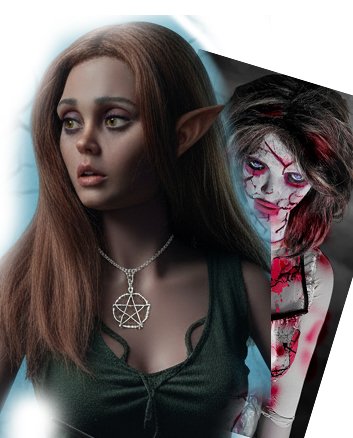

As most of you are aware I am against digital image manipulation, believing that all photos should be real. However I have used photo editing software on a couple of occasions, the first time was to change the background of a photo I had ‘borrowed’ from Google Images of a well known actress to be placed on the insert of a dvd case, a very lengthy process doing one pixel at a time all around her body, then having to change the colour to replicate the shadows. About twenty-five years later I entered a photo challenge on ukldf where I decided for Rosina to portray the ghost of Catherine from Wuthering Heights seen through the window from the inside. The Kate Bush song of the same name has the following lyrics ‘Heathcliff! It’s me, Cathy, I’m so cold, let me in through your window.’ I took a photo of Rosina’s head against a black background. The Yorkshire moors would be rather cold at night during the winter, so frost on the window pane would be expected, that gave me a problem; how could I replicate a frosted window pane? If I put a small sheet of glass covered in water in the freezer I would end up with a very cold piece of glass covered in ice, not what I wanted. I had a look at all the photo editing software I had. One had a frosted glass filter, the only problem was it was a loop, it started off as a clear piece of glass then began to get frosty. I played this several times to get the timing right, or rather almost right. I loaded Rosina’s photo, placed the filter over it then watched and waited, at the right time I pressed pause (or stop) then captured or saved the image. When I saw it I was surprised. Rosina’s face was about a foot away from the glass. If you looked at it sometimes you would only see the glass, if you tilted the screen you could then see her face. Brilliant! Incidently an upgrade of that software soon after removed all the filters, I timed it well!
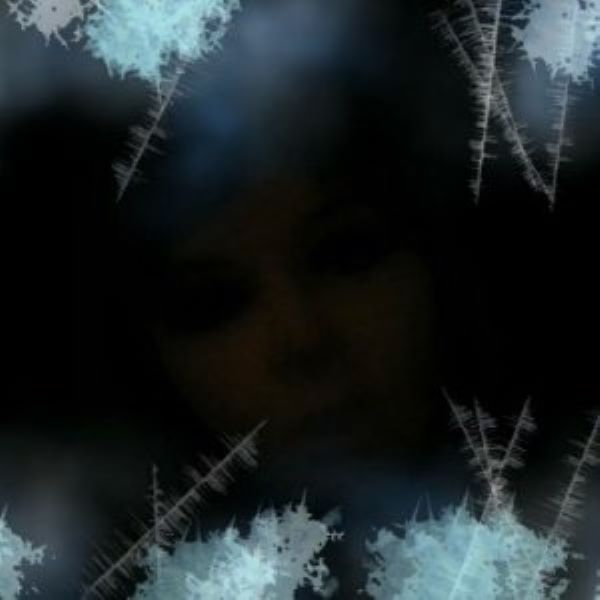 Rosina as Cathy.
So where’s all this going? you’re probably asking. Well, I want to expand on my point stated in an earlier post about attention to detail. I have seen numerous photos where attention to detail have either been ignored or forgotten due to rushing to get that particular shot. I’ll come back to this in a moment. I live in an Edwardian end-of-terrace property with a limited amount of space for photography. So certain tricks have to be employed. I would love to have a room solely for that purpose although it would involve taking the dolls to and from that room, also the concept of having a gantry of backdrops attached to the wall and/or ceiling does not appeal, in addition to restricting which wall could be used. I have come up with my own solution which I will share with you later.
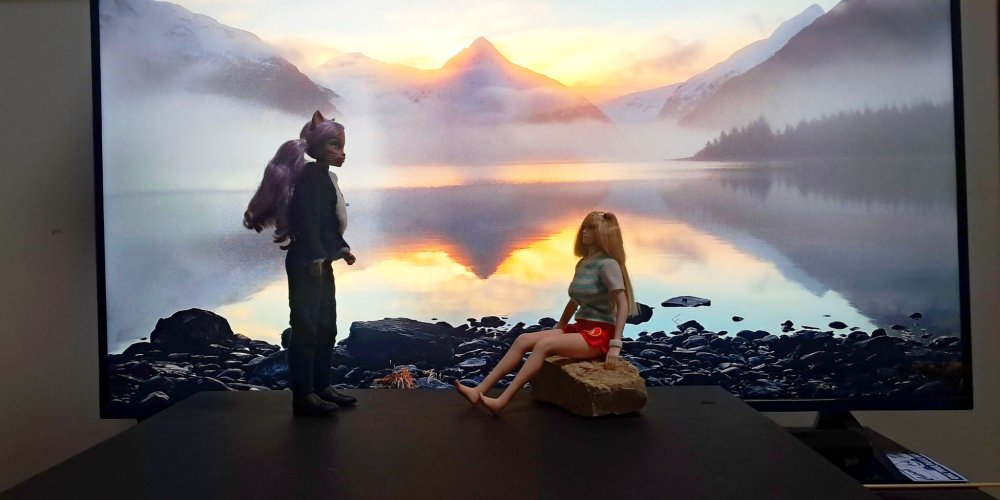
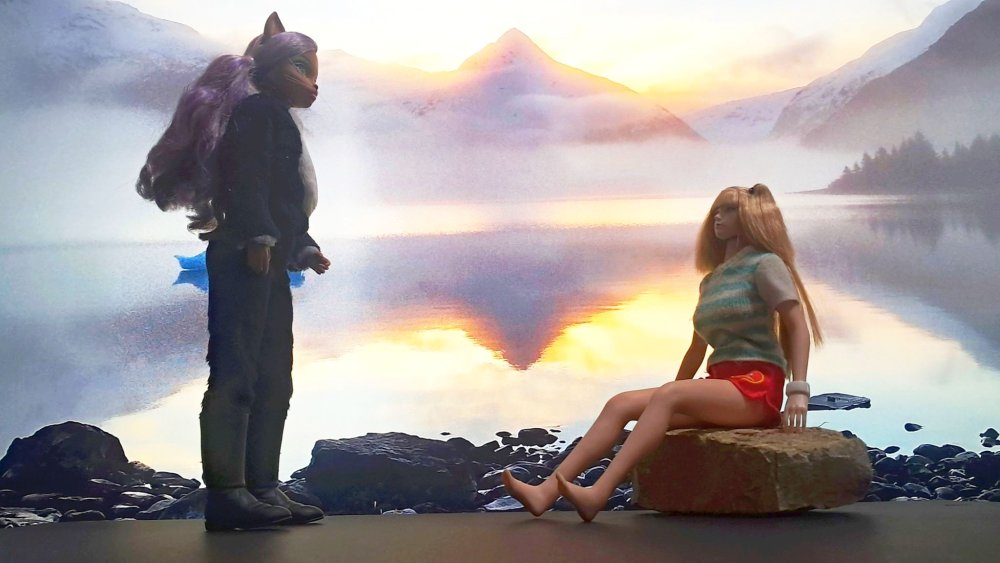
Over the years that I have been a member of several forums and have seen numerous photos where attention to detail has been forgotten include; the use of a PE (photo editing) supplied background of a beach scene and the subject is wearing mirrored sunglasses that reflect the pictures on the far wall of the room used for the photo; where the colour of the carpet on the floor doesn’t quite match the sandy beach on the backdrop; feet that do not touch the ground where they are supposedly standing. I could go on but that’s enough to illustrate the problem.
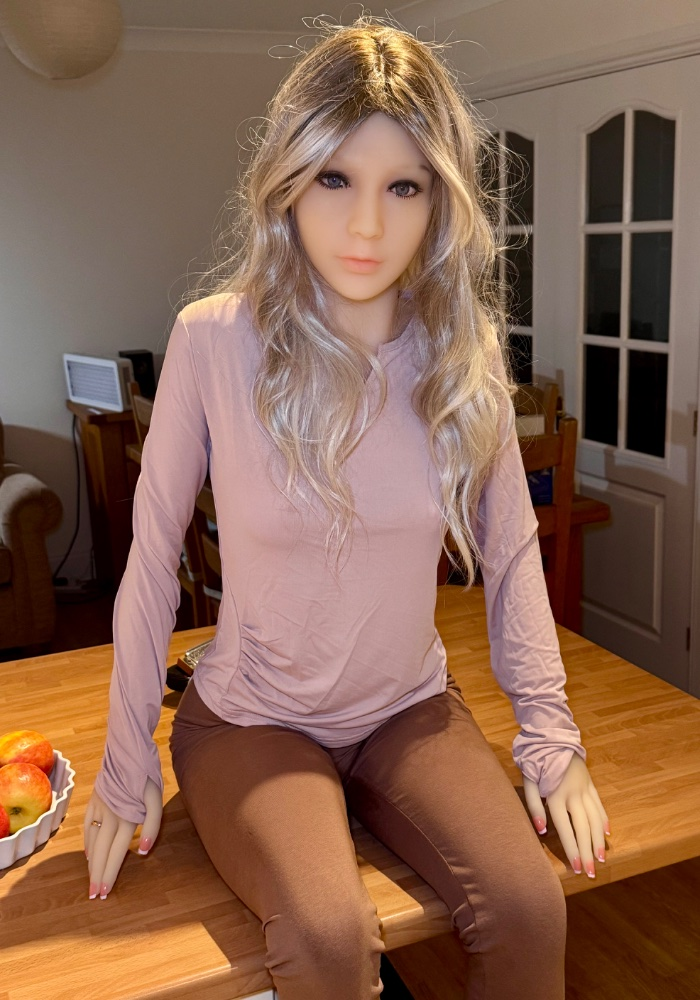
The space I have is just a 4’x 4’ L shape, one wall is solid, the other has a doorway about twelve inches from the corner, also both of these have different wallcoverings. Since July 2024, when Leonora joined us, those walls and that ‘corner’ has to be the dining room where Elina and Rosina are often photographed, it’s where Leonora was when she modelled her clothes and later when she was in her room on her laptop, it will also be her home in Aberdeen. Obviously she wouldn’t have the same wallpaper there as we have here, so a disguise or fakery has to be employed. The other thing is whatever I use must be cheap, or ideally free. One of my favourites is something we all have in our homes, and that is spare curtains! Here are a few examples.
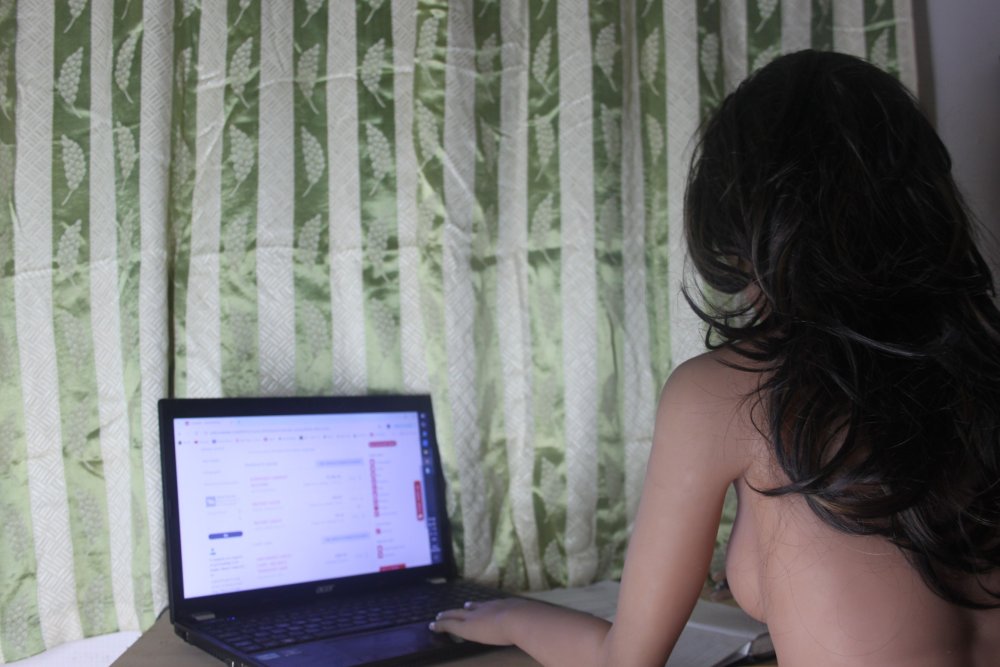 Leonora in her room at the Dollihaven using her laptop. The curtains hides the wall.
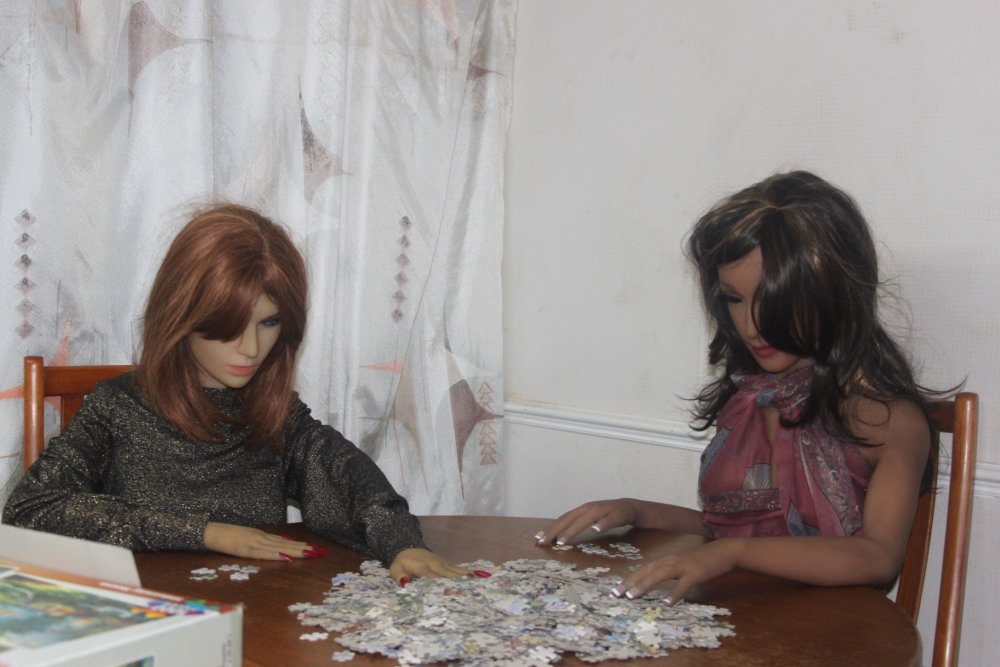
Rosina & Leonora doing a jigsaw. The curtains hides the door and wall covering into the corner.
.JPG)
Leonora in Aberdeen writing in her diary…
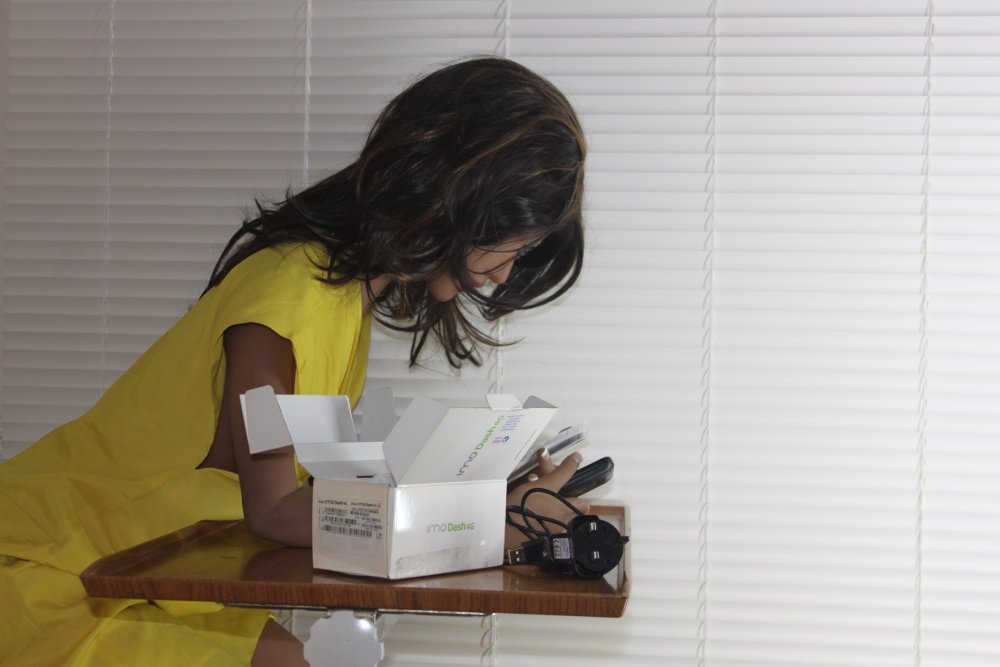
….working out how her new phone works.
The venetian blind is hiding the wall.
Gimp pins can be tapped into the plaster covering stone, brick or block masonry walls, they are also suitable for lath & plaster, plasterboard/drywall and of course wood. Tip: use a pair of pin nosed pliers to gently hold the pin as you tap it into the wall, saves a lot of bruises on your finger and/or thumb!
Regards,
S.
Over the years that I have been a member of several forums and have seen numerous photos where attention to detail has been forgotten include; the use of a PE (photo editing) supplied background of a beach scene and the subject is wearing mirrored sunglasses that reflect the pictures on the far wall of the room used for the photo; where the colour of the carpet on the floor doesn’t quite match the sandy beach on the backdrop; feet that do not touch the ground where they are supposedly standing. I could go on but that’s enough to illustrate the problem.
The space I have is just a 4’x 4’ L shape, one wall is solid, the other has a doorway about twelve inches from the corner, also both of these have different wallcoverings. Since July 2024, when Leonora joined us, those walls and that ‘corner’ has to be the dining room where Elina and Rosina are often photographed, it’s where Leonora was when she modelled her clothes and later when she was in her room on her laptop, it will also be her home in Aberdeen. Obviously she wouldn’t have the same wallpaper there as we have here, so a disguise or fakery has to be employed. The other thing is whatever I use must be cheap, or ideally free. One of my favourites is something we all have in our homes, and that is spare curtains! Here are a few examples.
Rosina & Leonora doing a jigsaw. The curtains hides the door and wall covering into the corner.
Leonora in Aberdeen writing in her diary…
….working out how her new phone works.
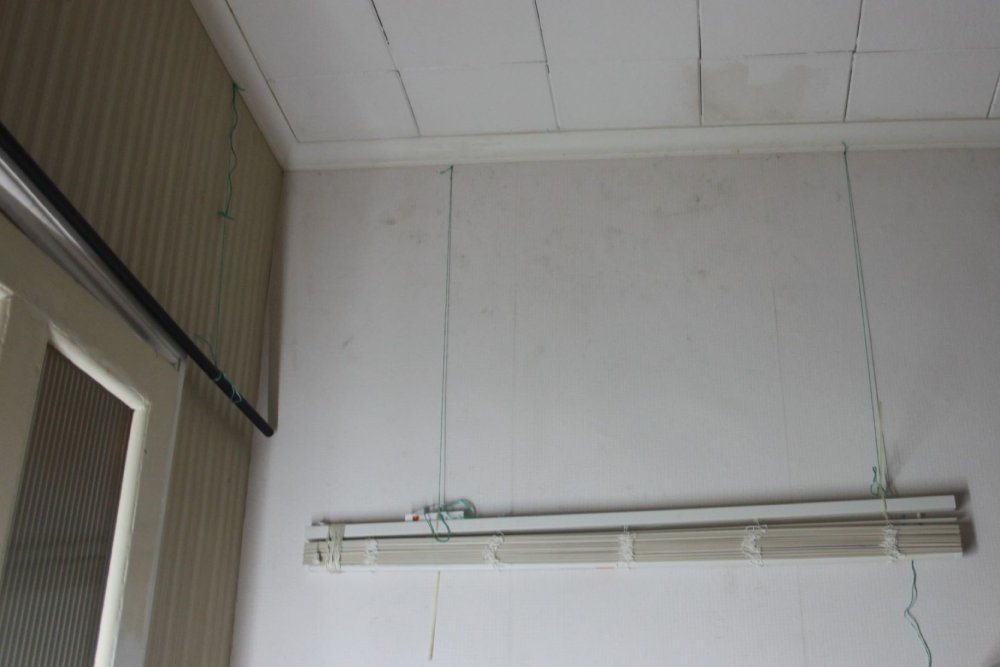
The venetian blind is hiding the wall.
The curtains are either pegged to an old aluminium curtain track or a length of 19mm electrical conduit that is secured to two lengths of thin polypropylene twine (string) that is hung from two 13mm (½”) Gimp Pins secured in the plaster just below the coving. Likewise the venetian blind has two cable ties secured into a loop that the polypropylene twine is tied to.
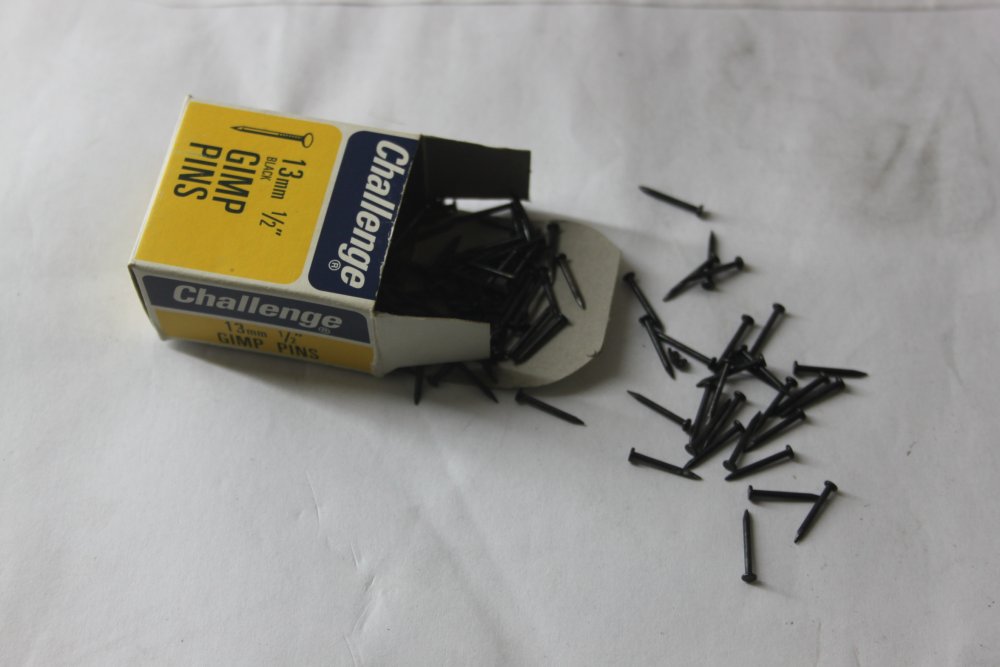
The holes left when the Gimp Pins are removed are so small you’re unable to see them from ground level. I’ve been using Gimp Pins for many decades for supporting things like dado rails and covings that you don’t want to slip before the adhesive has set. Their original purpose is in upholstery, securing the fabric to the frame.
Gimp pins can be tapped into the plaster covering stone, brick or block masonry walls, they are also suitable for lath & plaster, plasterboard/drywall and of course wood. Tip: use a pair of pin nosed pliers to gently hold the pin as you tap it into the wall, saves a lot of bruises on your finger and/or thumb!
Regards,
S.